Google LSA vs Google Ads: The Difference, and Which to Run First
Google Local Service Ads charge per lead and carry the Google badge. Google Ads charge per click and let you pick the keywords. Here is the difference and which a local service business should run first.


Short answer: Google Local Service Ads (LSAs) charge you per lead and show above everything else with a Google Guaranteed or Google Screened badge. Google Ads charge you per click and let you choose the exact keywords. If your trade qualifies for LSAs, start there, then add Google Ads for the services LSAs don't cover.
When you search for a plumber or electrician on Google, you'll often see two different types of ads at the very top of the page.
First, the Google Guaranteed badges (Local Service Ads), and below them, the traditional text ads (Google Ads / PPC). Both cost money, but they work in completely different ways. Which one should you put your budget into?
Local Service Ads (LSAs)
LSAs are the ones with the green "Google Guaranteed" checkmark. They appear at the absolute top of search results for service-based industries.
Pros
- • Pay per lead (call/message), not per click
- • Builds massive trust with the Google badge
- • Top of page visibility
- • Easier to set up than PPC
Cons
- • Limited to specific industries
- • Background checks required
- • Less control over targeting
- • Can be expensive per lead
Google Ads (PPC)
These are the traditional text ads labeled "Sponsored." You bid on specific keywords (e.g., "emergency AC repair") and pay every time someone clicks your ad, regardless of whether they call you.
Pros
- • Total control over keywords & messaging
- • Available for ANY business type
- • Advanced targeting options
- • Immediate traffic
Cons
- • Pay per click (even if they don't call)
- • Complex to manage (easy to waste money)
- • Lower trust than "Guaranteed" badge
- • "Ad blindness" from some users
The Verdict: Which Wins?
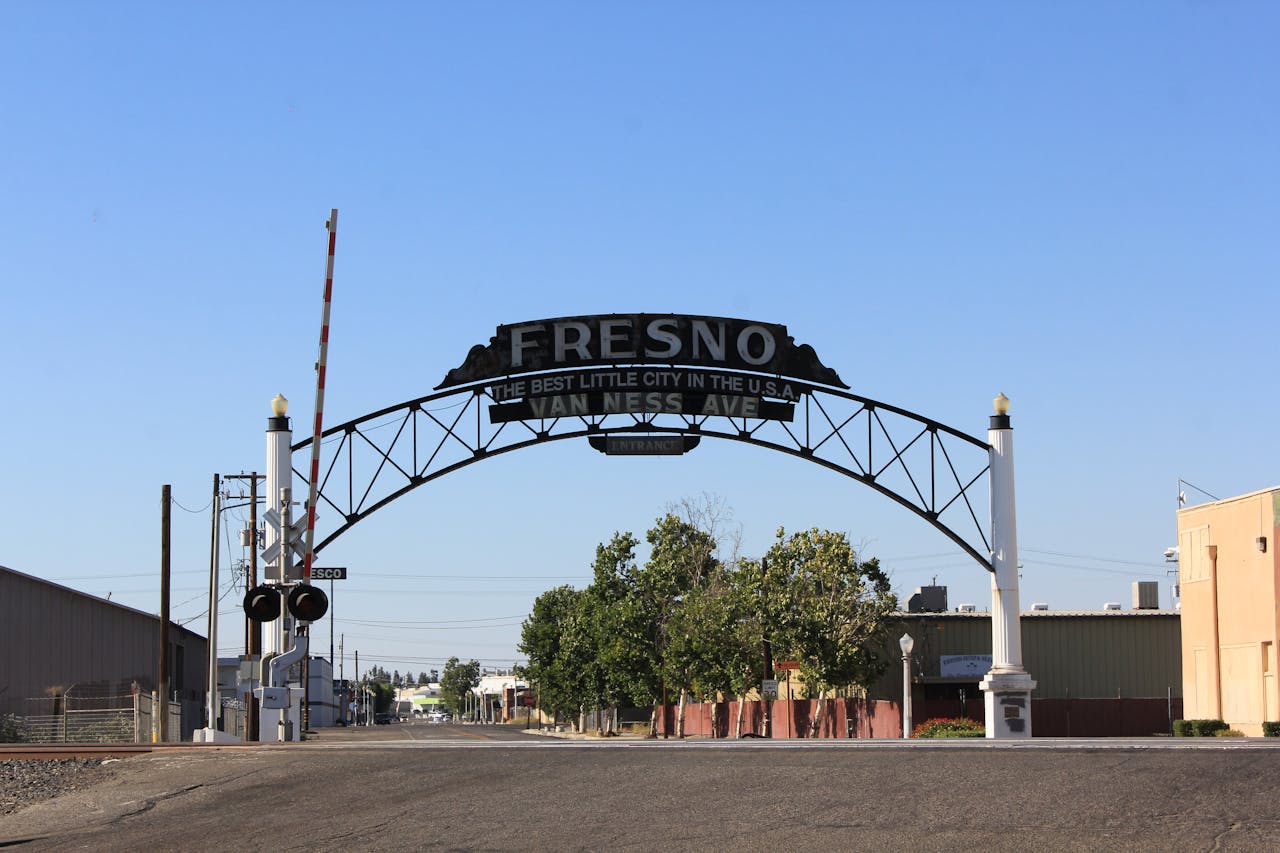
For most local service businesses (plumbers, HVAC, locksmiths), Local Service Ads (LSAs) are the better starting point. The "pay-per-lead" model is safer, and the trust badge drives high-quality calls. Our Fresno Marketing Agency manages these daily.
However, Google Ads are essential for scaling. Once you max out your LSA volume, or if you want to target specific niche services that LSAs don't cover, PPC is the way to go.
Pro Tip: The best strategy is usually a hybrid approach. Run LSAs to capture high-intent leads at the top, and use Google Ads to capture specific long-tail searches with the help of an SEO company in Fresno that runs the ads too.
What is the difference between Local Service Ads and Google Ads?
| Local Service Ads | Google Ads | |
|---|---|---|
| You pay for | A lead (a call or message) | A click, whether or not they call |
| Where it shows | The very top, with a Google badge | Top and bottom, labeled Sponsored |
| Who can run it | Only eligible trades, after license and background checks | Any business |
| Keyword control | Almost none, Google matches by job type | Full control over keywords and ad text |
| Where it sends people | Your LSA profile, then a call | A page on your website |
That last row matters more than it looks. Google Ads send people to your website, so a slow page or a hidden phone number burns the budget. LSAs skip the website and put the call straight through, which is why they are the easier place to start.
Google LSA vs Google Ads for a Fresno service business
Ad spend goes to Google either way, and most local service businesses start somewhere between $1,000 and $2,500 a month. If you run Google Ads, check the search terms report every week, because it shows what people actually typed before they clicked, and the junk ones go in as negative keywords. If the page they land on doesn't turn visitors into calls, fix that before raising the budget. Our local marketing page covers how we set both up.